In 40 seconds
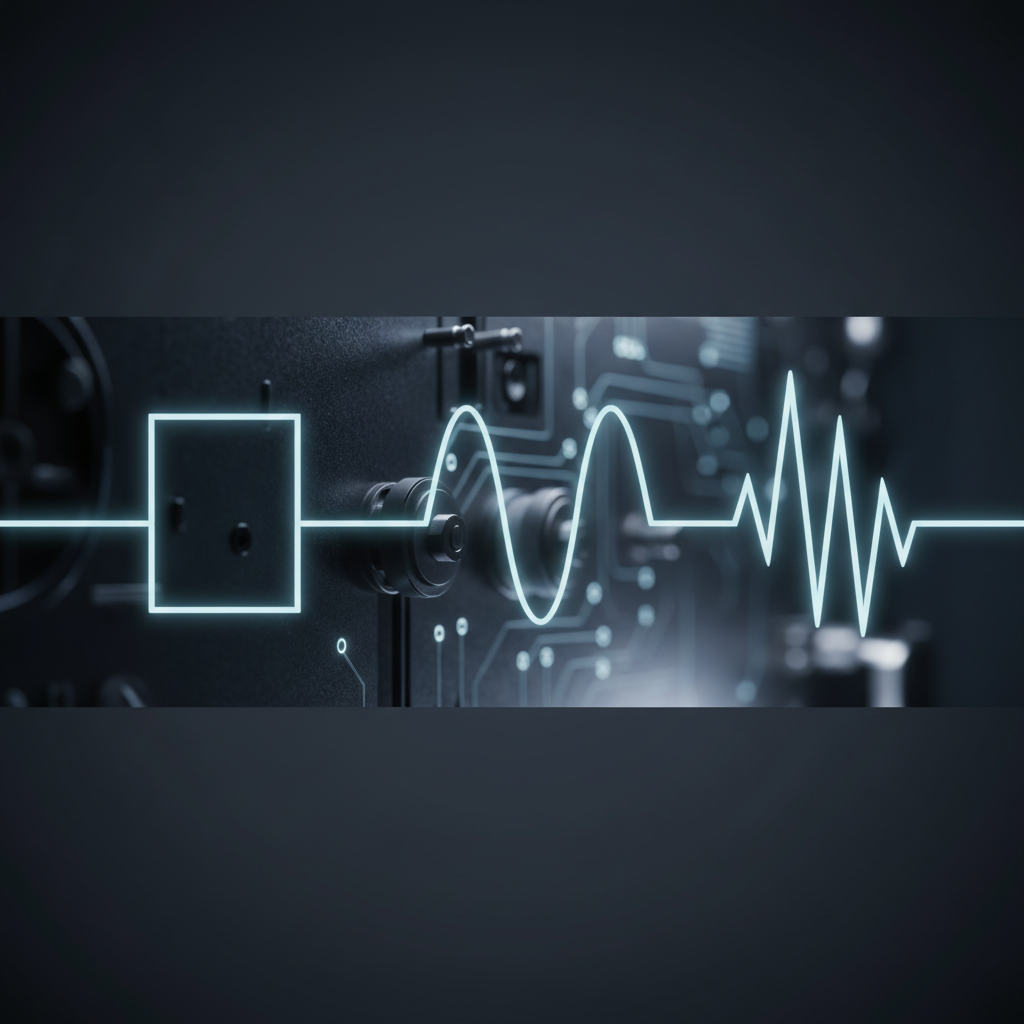
The shape of a PEMF pulse — its waveform — affects what it does in the body. Square waves produce a sharp on-off pulse, generating strong induced currents at the leading and trailing edges. Sinusoidal waves are smooth and gentle, producing milder cellular effects. Sawtooth waves rise gradually and snap off, producing asymmetric stimulation. Most clinical-grade PEMF systems offer multiple waveforms because different conditions respond best to different shapes. Cheap home devices typically run a single fixed waveform — limiting their clinical versatility.
Quick facts
- Square wave: Sharp on-off — strongest induced currents — bone, deep tissue
- Sinusoidal: Smooth — gentle relaxation, sleep, sensitive use
- Sawtooth: Asymmetric — specific clinical applications
- Trapezoidal: Square wave with ramped edges — clinical balance
- Best systems: Offer multiple waveforms
Practical guidance
See FAQ below for specific scenarios.
Contraindications
Hard exclusions — do not have PEMF if any apply:
- Pacemaker, implantable cardioverter-defibrillator (ICD), or any cardiac electronic device
- Cochlear implant or other implanted electronic hearing device
- Spinal cord stimulator, deep-brain stimulator, vagus nerve stimulator
- Intrathecal pump or implanted drug pump
- Insulin pump (continuous glucose monitors are usually fine — confirm with the clinic)
- Active infection at the treatment site
- Pregnancy — when treatment would be over the abdomen, lumbar spine, or pelvis
Discuss with your GP or specialist before booking if any apply:
- Active malignancy or recent cancer history (oncologist clearance required)
- History of seizures or epilepsy
- Multiple sclerosis or other neurological condition under specialist care
- Anticoagulant therapy (PEMF itself does not thin blood, but bruising risk if local circulation is already compromised)
- Children under 14 (most UK clinics will not treat under-18s without paediatric specialist input)
- Recent surgery within the last 14 days at the treatment site (confirm with surgeon)
NOT contraindications — these are commonly misunderstood:
- Plates, rods, screws and other passive metal orthopaedic hardware
- Dental implants and dental crowns
- Joint replacements (hip, knee, shoulder)
- IUDs (copper or hormonal)
- Tattoos and piercings (jewellery should be removed for the session)
Specific to this condition: pacemakers, defibrillators, cochlear implants, insulin pumps, electronic implants; active malignancy without specialist clearance; pregnancy (over the abdomen); active infection; epilepsy without GP clearance.
Frequently asked questions
Which waveform is best?
Depends on what you're treating. Square waves for bone and deep tissue. Sinusoidal for relaxation and sleep. Different protocols for different goals — best systems offer multiple.
Does a cheap mat with one waveform work?
Often partially. A single fixed waveform limits versatility. Real clinical systems offer multiple programmes targeting different mechanisms.
How can I tell what waveform a device uses?
Spec sheets should specify. If they don't, that's a red flag for a budget device that may not deliver therapeutic doses.
Is one waveform safer than another?
All standard clinical waveforms are safe at therapeutic intensities. Differences are in efficacy, not safety.
Looking for a PEMF clinic near you?
We list every credible PEMF therapy provider in the UK so you can find one near home.