In 40 seconds
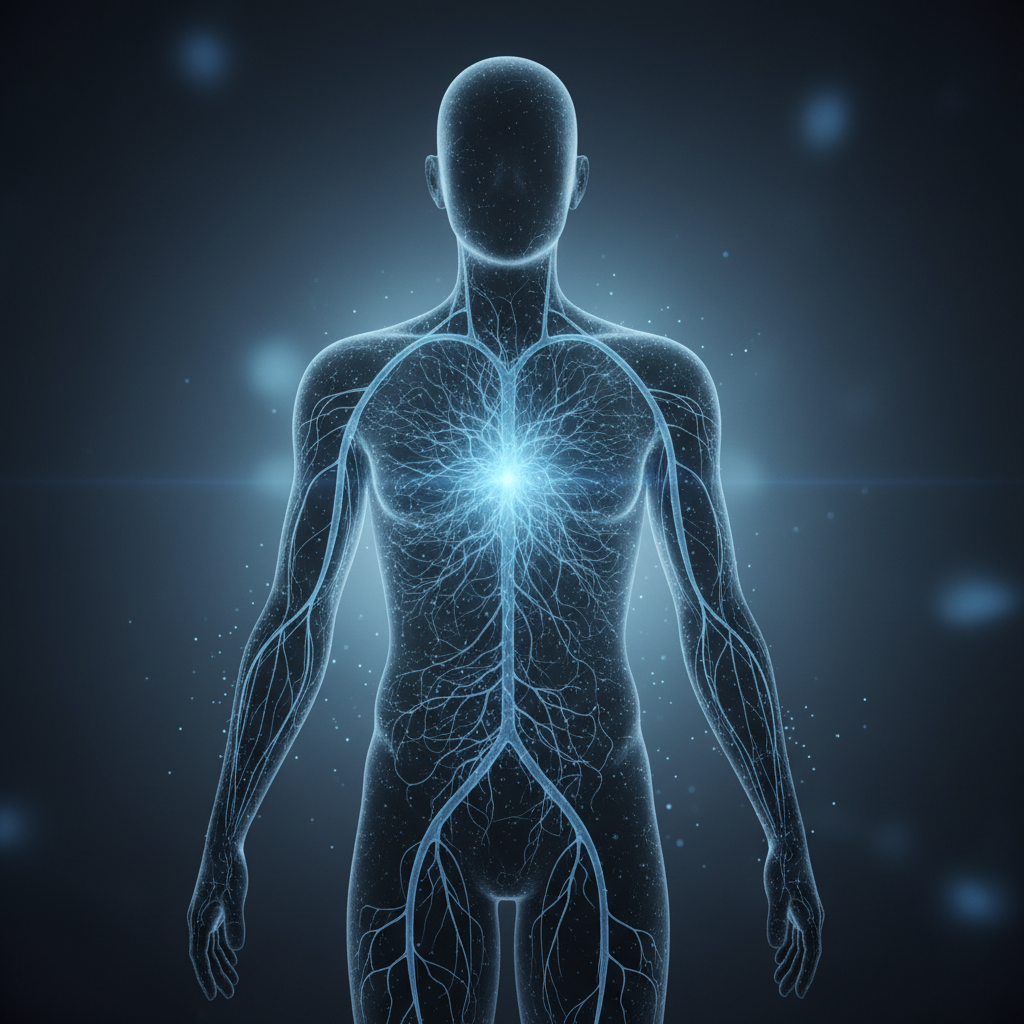
Most chronic disease has a microcirculation problem. The smallest blood vessels — capillaries, arterioles, venules — deliver oxygen and clear waste at the cellular level. When microcirculation fails, tissues starve and inflammation accumulates. PEMF therapy improves microcirculation through nitric-oxide-mediated vasodilation and improved vasomotion (the rhythmic constriction-relaxation of small vessels). Visible in tissue blood flow imaging, measurable in oxygen saturation, and felt as warmth, energy, and faster recovery.
Quick facts
- What it helps: Microcirculation in capillaries, arterioles, venules
- Mechanism: Nitric oxide, improved vasomotion
- Measurable in: Tissue oxygen, microvascular imaging
- Felt as: Warmth, faster recovery, more energy
- Conditions improved: Many — circulation underlies almost everything
Practical guidance
See FAQ below for specific scenarios.
Contraindications
Hard exclusions — do not have PEMF if any apply:
- Pacemaker, implantable cardioverter-defibrillator (ICD), or any cardiac electronic device
- Cochlear implant or other implanted electronic hearing device
- Spinal cord stimulator, deep-brain stimulator, vagus nerve stimulator
- Intrathecal pump or implanted drug pump
- Insulin pump (continuous glucose monitors are usually fine — confirm with the clinic)
- Active infection at the treatment site
- Pregnancy — when treatment would be over the abdomen, lumbar spine, or pelvis
Discuss with your GP or specialist before booking if any apply:
- Active malignancy or recent cancer history (oncologist clearance required)
- History of seizures or epilepsy
- Multiple sclerosis or other neurological condition under specialist care
- Anticoagulant therapy (PEMF itself does not thin blood, but bruising risk if local circulation is already compromised)
- Children under 14 (most UK clinics will not treat under-18s without paediatric specialist input)
- Recent surgery within the last 14 days at the treatment site (confirm with surgeon)
NOT contraindications — these are commonly misunderstood:
- Plates, rods, screws and other passive metal orthopaedic hardware
- Dental implants and dental crowns
- Joint replacements (hip, knee, shoulder)
- IUDs (copper or hormonal)
- Tattoos and piercings (jewellery should be removed for the session)
Specific to this condition: pacemakers, defibrillators, cochlear implants, insulin pumps, electronic implants; active malignancy without specialist clearance; pregnancy (over the abdomen); active infection; epilepsy without GP clearance.
Frequently asked questions
Does PEMF actually improve circulation?
Yes — measurably. Visible in tissue oxygen saturation, microvascular imaging, and downstream effects on healing rates.
Is it good for poor circulation in legs?
Yes — peripheral circulation responds well to PEMF. Used in diabetic foot care, venous insufficiency, and Raynaud's.
Will it help my cold hands and feet?
Often, yes. Many users report warmer extremities within 2–3 weeks of regular use.
What about heart or major artery disease?
PEMF supports microcirculation but doesn't open blocked major arteries. Cardiovascular disease needs proper medical management.
Looking for a PEMF clinic near you?
We list every credible PEMF therapy provider in the UK so you can find one near home.